“The longer I live, the more deeply I learn that love — whether we call it friendship or family or romance — is the work of mirroring and magnifying each other’s light. Gentle work. Steadfast work. Life-saving work in those moments when life and shame and sorrow occlude our own light from our view, but there is still a clear-eyed loving person to beam it back. In our best moments, we are that person for another.“
Maria Popova
https://www.themarginalian.org/2022/01/31/james-baldwin-nothing-personal-love/
Here’s an interesting article by Tanvi Dutta Gupta that explores the human cost of re-wilding and reintroduction projects, and also traces my personal journey in the Kuno forests. We have much to learn about the ways of the forest from the local communities that inhabit their vicinity.
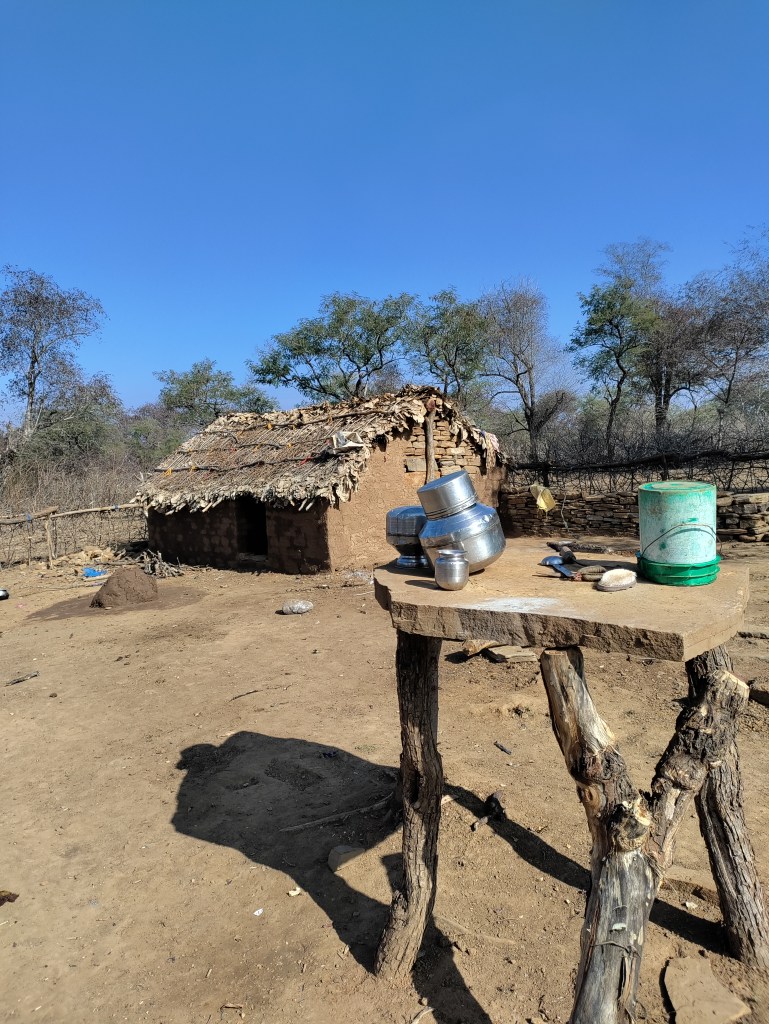
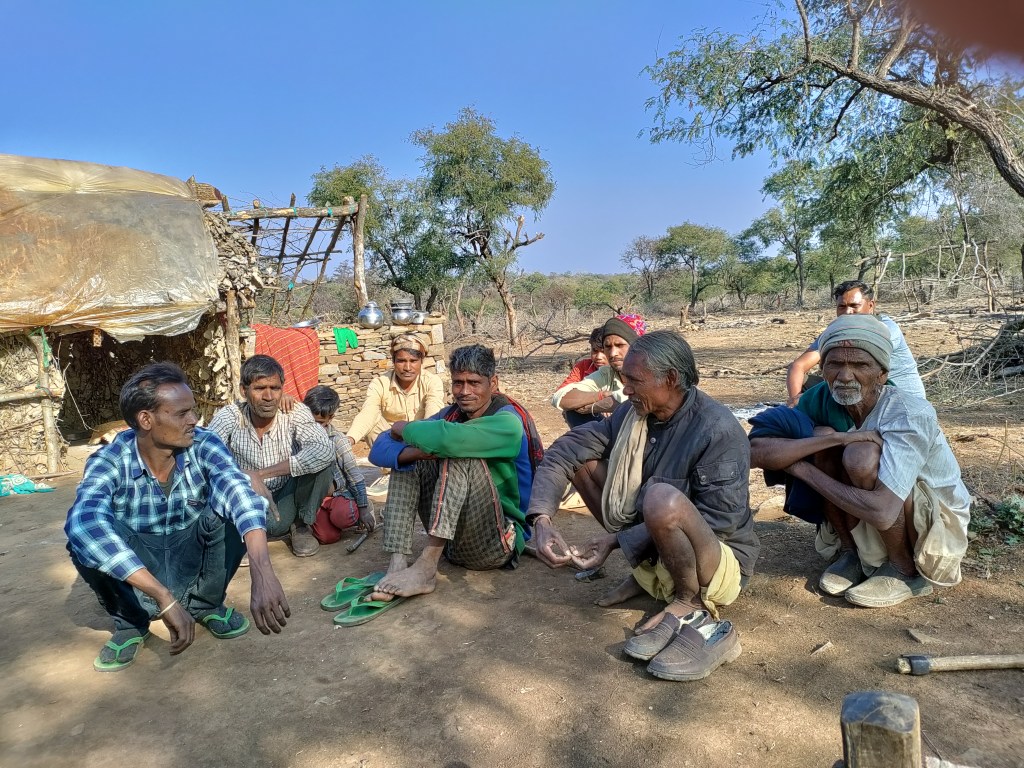

With the release of eight cheetahs in Madhya Pradesh’s Kuno National Park by Prime Minister (PM) Narendra Modi on September 17, nature and nation fused again in the public imagination. Fifty years ago, another PM launched Project Tiger, and more than 100 years ago, Asiatic lions were pulled back from the brink of extinction by the nawab of Junagadh. The conservation of large carnivores in India is intricately linked with princes and politicians, foresters and environmentalists, Adivasis and ecotourists, and local and national development aspirations.
The aborted Asiatic lion conservation project in Kuno displaced 24 Adivasi villages. The latest cheetah project displaces Bagcha, another Adivasi village of Sahariyas and Bhils. Despite irrefutable evidence that displacement harms people, why does conservation continue to justify its use? The Kuno experience shows that three narratives — wilderness, backwardness and volition — underpin the belief that human displacement is a win-win formula for forest dwellers and wildlife.
Indian conservation draws heavily on western science to distinguish “wild” and “civilised” spaces. Media coverage depicts Kuno as a wild and uninhabited space waiting for the cheetahs. This is not true. This wilderness was artificially created in 1999 at a substantial social, cultural and economic cost to its erstwhile human inhabitants. The grasslands where the cheetahs were released were the agricultural fields. Nearly 5,000 people were displaced from Kuno and resettled on the park’s periphery. Their traditional livelihoods based on farming, livestock-herding and collecting forest produce collapsed overnight. They lost access to the forests, their marketable roots, gums and resins, abundant fodder for livestock, and a variety of wild food crucial for their nutrition and cultural identity. The resettlement and rehabilitation package could not compensate for nature’s unlimited bounty.
What happened in Kuno is not unique. Displacement has harmed local communities worldwide and created millions of conservation refugees. Establishing out-of-bound wilderness areas through eviction — or fortress conservation — is notorious for violating indigenous rights across the world.
The science behind fortress conservation is far from settled. Species such as tigers and elephants require relatively undisturbed habitats, but leopards and lions are known to coexist with rural populations. The Sahariyas were moved out of Kuno originally to conserve Asiatic lions, but in Gujarat’s Gir National Park, lions live in proximity to Maldhari pastoralists. What, then, explains our commitment to fortress conservation and the naïve belief in good resettlement as a win-win solution?
This brings us to the second key narrative driving fortress conservation — backwardness. Relocation is an opportunity to bring modernity and progress to unskilled, illiterate forest dwellers. Undeniably, most of India’s nearly 4.3 million forest dwellers are desperately poor. But they possess indigenous knowledge of farming and forest resource management, which conservation policies devalue.
The Sahariyas of Kuno had a complex and adaptive livelihood portfolio designed to manage ecological risks. They possessed intimate knowledge about the flora and fauna of Kuno, which was central to their livelihoods and world. Their agrarian contracts and tree-leasing systems have withstood the test of time. But this knowledge became useless at the resettlement site, forcing them to become “unskilled” labourers. The promised encounter with modernity devalued traditional ways of living, and under-delivered secure employment, income, health care and education.
At the same time, it is true that the forest bureaucracy possesses proof that many people living in parks and sanctuaries reject their way of life and seek to move out. In 2018, a study of four protected areas found that 89% of villagers surveyed wanted to accept the government’s voluntary relocation package of ₹15 lakh per household. Their top three reasons to move were the lack of health care, roads and schools in these areas.
The people of Kuno also gave written consent to relocation in 1999, when the package per household was only ₹1 lakh, along with two hectares of poor quality farmland. But this consent is an expression of decades of denial of legitimate development aspirations. A Hobson’s choice between continued official neglect and tighter restrictions on forest access versus a one-time cash settlement can hardly be called conscious volition.
Extinction threats, especially for animals imbued with deep cultural and symbolic meanings, generate powerful public reactions. When combined with narratives of wilderness, backwardness and volition, this emotive appeal gives fortress conservation models urgency and legitimacy.
Are we willing to break narrative fortresses and think of an alternative, non-displacing way to conserve valued animal species in India’s human-inhabited forest landscapes? If not, more wildernesses will be created for cheetahs. Thousands of forest dwellers will be forced to cede their traditional homelands in a modern-day rendering of the Ashwamedha yagna.
Published in The Hindustan Times, Oct 08, 2022
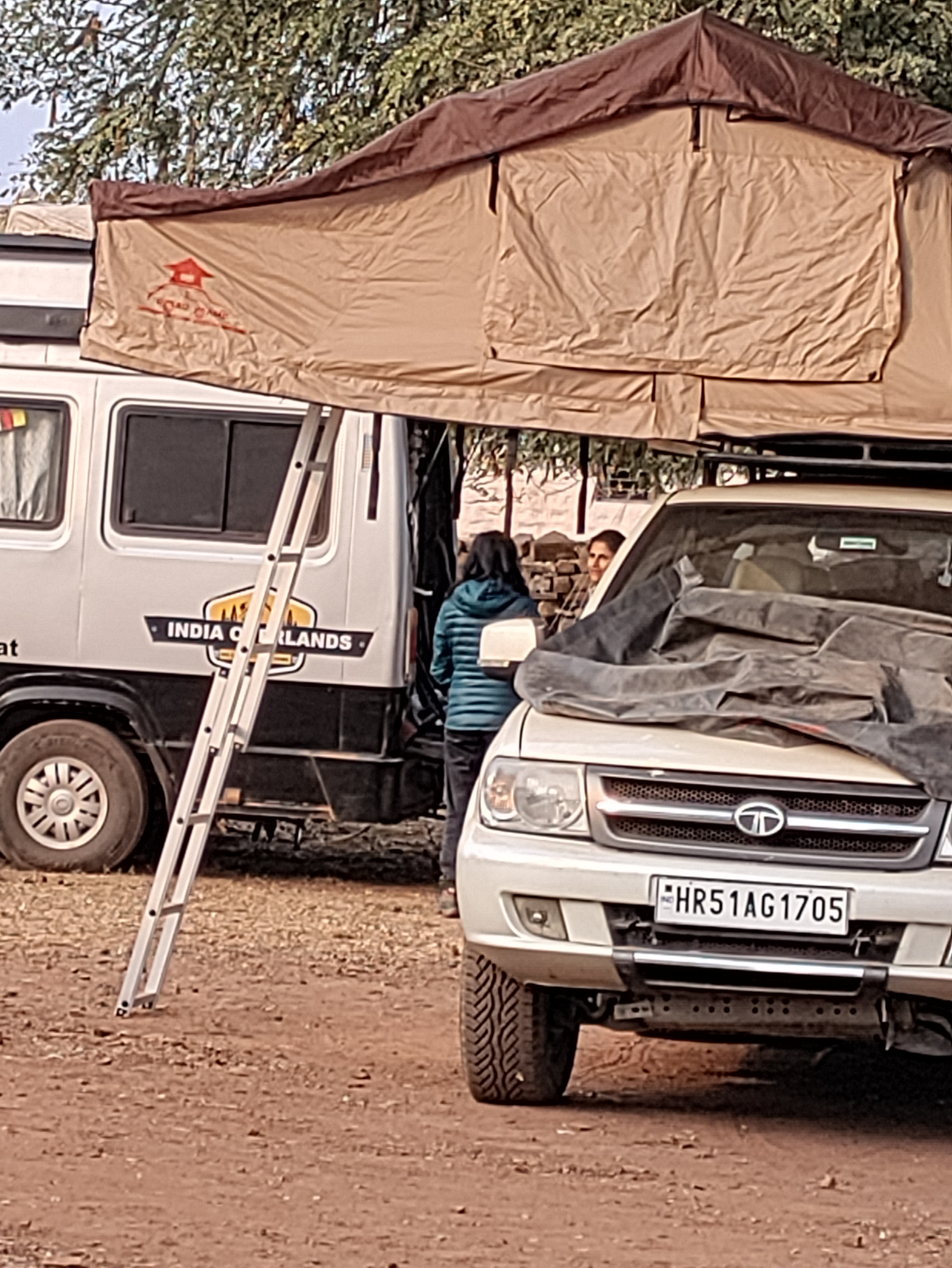
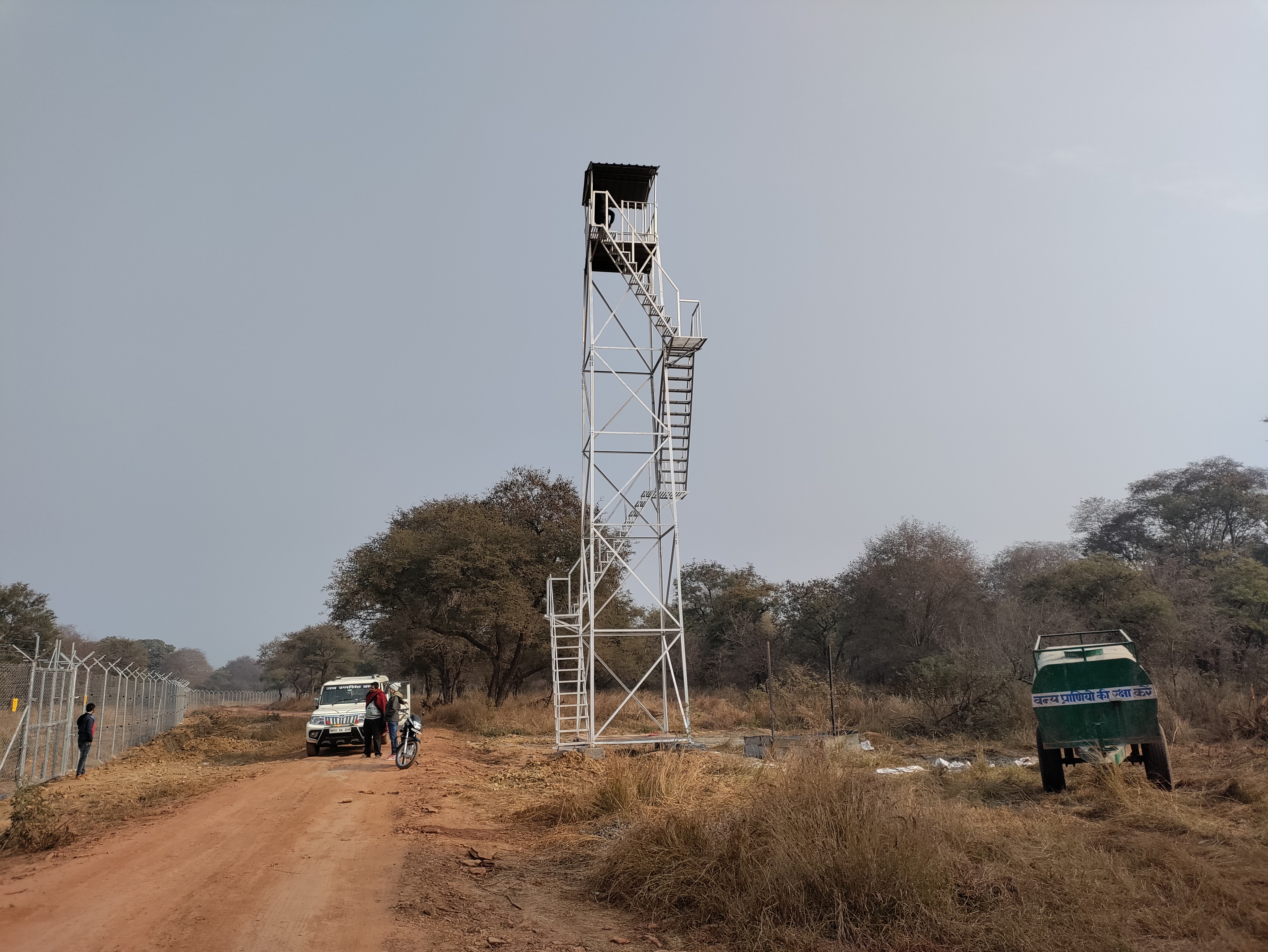
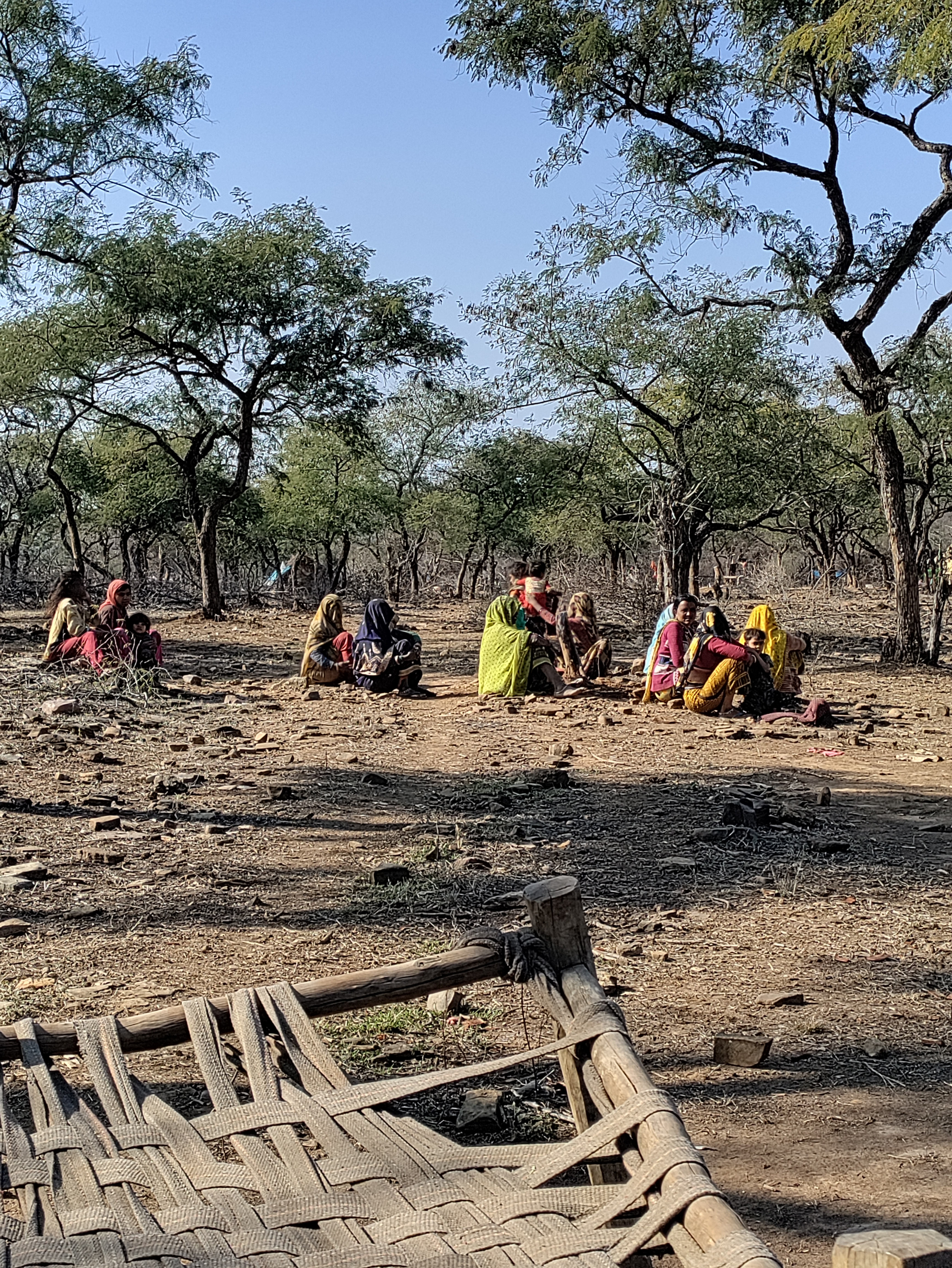
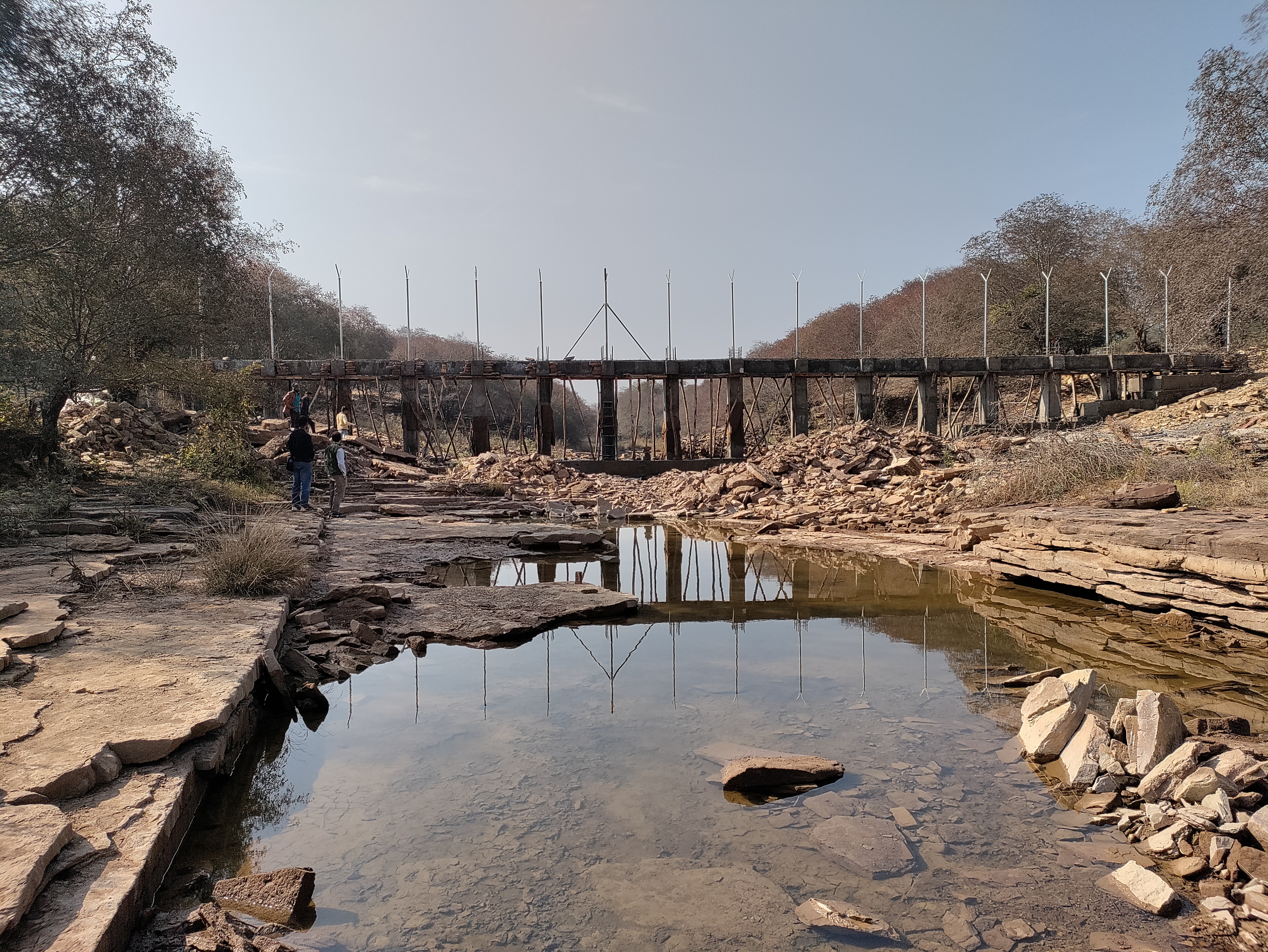
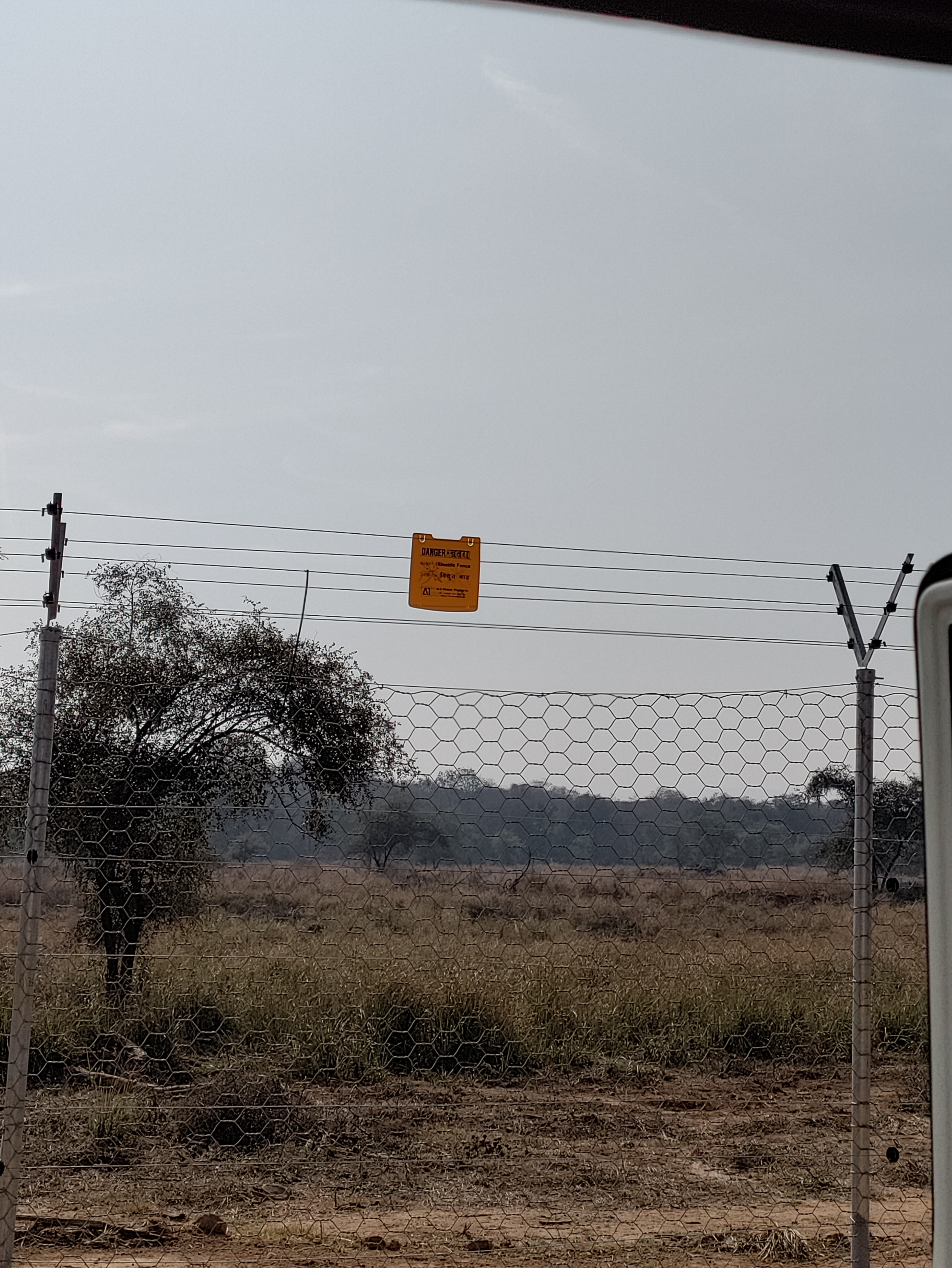
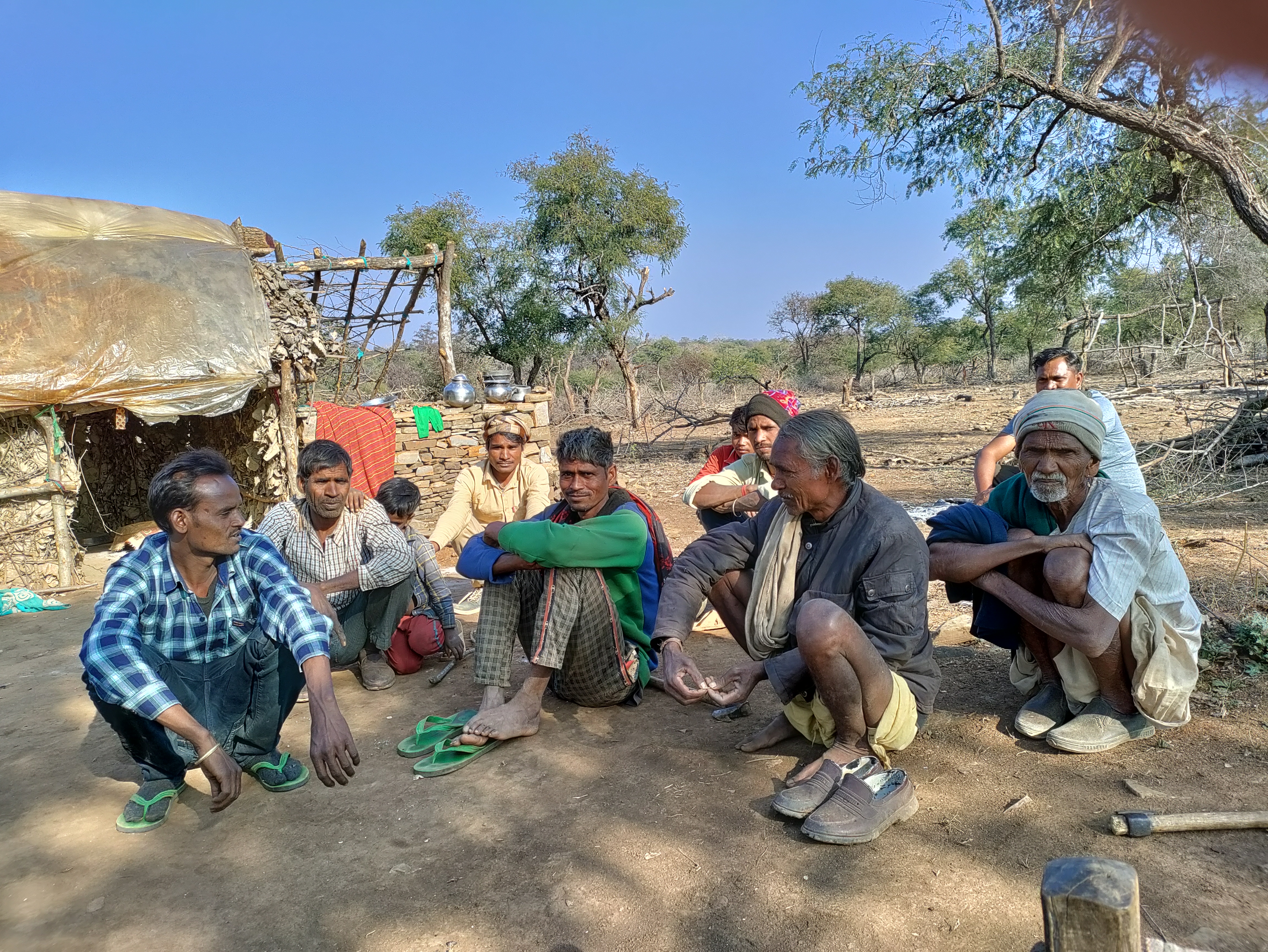
One of the objectives of the ongoing #cheetah project at #kunonationalpark is to enhance local livelihoods through ecotourism. Sadly, hardly anyone from the villages moved out of the park find meaningful livelihoods from this emerging sector, even though there’s a marked uptick in tourist numbers.
Massive expenditures are being made for creating fences, dams and other infrastructure to support incoming cheetahs from Africa.Ironically, the rooms in the forest rest house have been named after displaced villages, but the people of these villages have been left high and dry in terms of real livelihood support. Three relocated villages are facing yet another displacement for an irrigation dam, and three more villages are being displaced from the park to make way for cheetahs.
Empathy needs to be universal, not selective. Having to choose between the welfare of lions/ cheetahs and Adivasi people is not a smart way to imagine the future of conservation. More inclusive alternatives like the efforts of Samrakshan Trust are available, and they need to be supported.
23rd January 2022

“This being human is a guest house.
Every morning a new arrival.
A joy, a depression, a meanness,
some momentary awareness comes
As an unexpected visitor.
Welcome and entertain them all!
Even if they’re a crowd of sorrows,
who violently sweep your house
empty of its furniture,
still treat each guest honourably.
He may be clearing you out
for some new delight.
The dark thought, the shame, the malice,
meet them at the door laughing and invite them in.
Be grateful for whoever comes,
because each has been sent
as a guide from beyond.”
– Rumi
 Asmita Kabra